
Boundary Waters Canoe Area Paddle Adventure
Price
Trip Duration
Max People
Group Type
Activity Level
Between 2-3
We rate trips on a scale from 1 (leisurely) to 5 (avid), with a range of activity levels in between.
Overview
Located along the Canadian border, the Boundary Waters Canoe Area Wilderness is one of North America’s great paddling destinations, and guided Boundary Waters trips are one of the best ways to experience it. On this five‑day adventure, you’ll paddle a chain of pristine lakes in ultra-lightweight Wenonah Kevlar canoes, navigate classic Northwoods portages, and fall asleep each night in a quiet backcountry campsite far from roads and city lights.Â
As you travel among the pines, birch, and cedar, you’ll listen to loons call in the early morning as mist lifts from mirror‑still water. Lightweight Wenonah canoes make paddling and portaging more manageable, even if you’re newer to Boundary Waters canoe camping. Your Outdoor Leaders provide coaching on paddling strokes, packing, and efficient portage techniques, so you can focus on the rhythm of traveling by canoe instead of worrying about the details. Each day brings a new stretch of shoreline, new islands to explore, and plenty of time to pause for photos, fishing, or simply floating in the quiet.Â
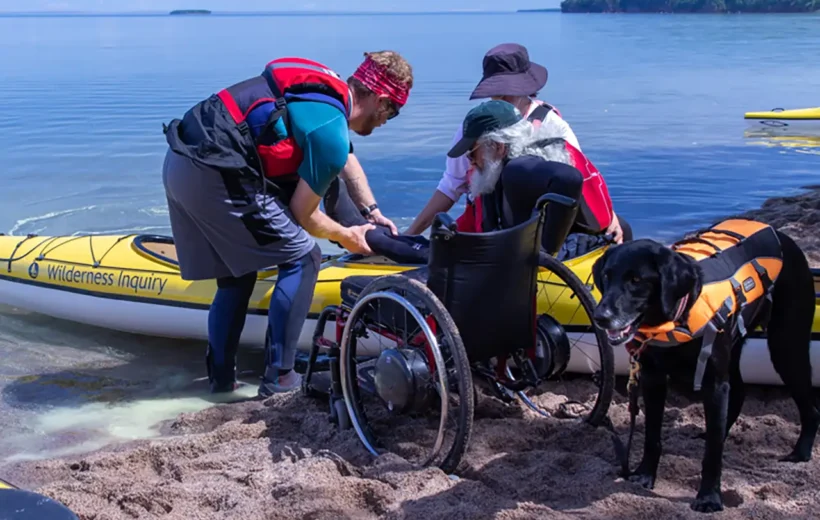
Traveling with a small group and experienced Outdoor Leaders also makes this a good option if you are looking for accessible canoeing support. While this is a true wilderness trip with backcountry campsites and portages, Outdoor Leaders help you pace the days, adjust mileage when possible, and share strategies to make the experience fit a range of comfort levels within the group.Â
One of the quiet gifts of this trip is the sense of community that forms along the way. Sharing a canoe, cooking together, and trading stories by the fire turns a group of strangers into trail friends. You’ll head home with new skills and a deeper connection to a wild, water‑based landscape that is hard to find anywhere else.
Note: The specific entry points and route for this trip may vary from what is shown. Wilderness Inquiry selects routes based on permit availability, conditions, and group needs, so your actual itinerary may follow a different path while offering a similar Boundary Waters experience.
Included/Excluded
- Skilled Outdoor Leader guides
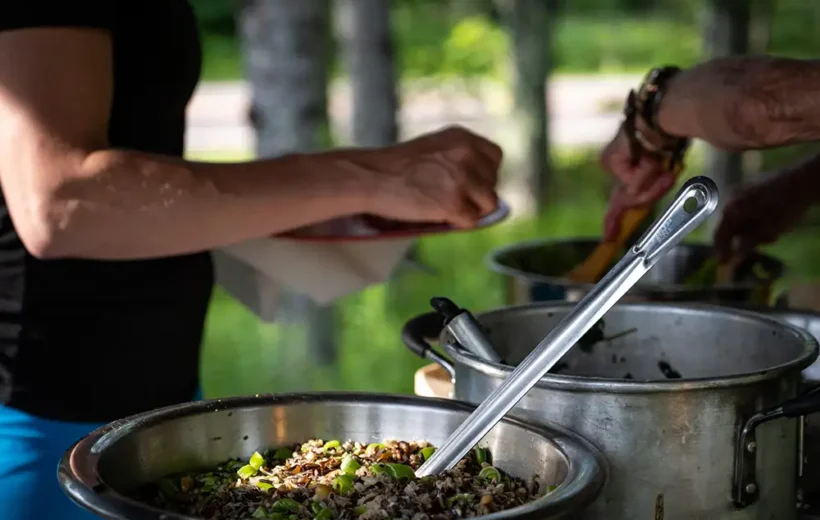
- Delicious, healthy campfire meals & snacks prepared together
- Equipment for all outdoor activities
- Shared, spacious tents
- Park permits & fees
- Transportation to & from trip activities
- BWCAW permits & fees
- Transportation to and from trip start and end location (including airfare)
- Optional trip insurance
- On-your-own activities, food, and shopping
Location Map
Day 1 – Meet Your Group and Paddle to a Sawbill Lake Campsite
Your Boundary Waters canoeing adventure begins in the afternoon at a BWCA ranger station, where you’ll meet your Outdoor Leaders and group. After a quick orientation, you’ll drive together to the Sawbill Lake entry point, unload the trailer, and pack gear into large dry bags. Once everything is ready, you’ll launch from the Sawbill Lake access and paddle to your first campsite along the forested shoreline. In camp, you’ll help set up tents, prepare dinner, and enjoy your first evening around the fire discussing trip expectations and getting to know one another.
Day 2 – Paddle and Portage into Kelso Lake
Wake up to great camp coffee and a hearty breakfast, then review canoeing and portaging skills before breaking camp. You’ll paddle across Sawbill and take a short portage into a narrow channel, keeping an eye out for wildlife enjoying the calm water. As you reach Kelso Lake, you’ll look for a campsite in its open northern reaches and settle in. The evening is spent cooking dinner, relaxing by the fire, and soaking in the quiet of your Boundary Waters canoe camping experience.
Day 3 – Spend a layover day on Kelso Lake.
Today is a flexible layover day. You might paddle the Kelso River into Lujenida Lake to see a large boulder balanced on three small stones, a local curiosity, or take a longer portage to Zenith Lake if the group is feeling ambitious. If you prefer a more relaxed day, you can return to camp to swim, fish, or practice your paddling strokes close to shore.
Day 4 – Paddle South and Portage into Alton Lake
After breakfast, you’ll break camp and continue your Boundary Waters canoeing route, traveling south and portaging into Alton Lake. As the group becomes more comfortable with paddling and portaging, there’s more time built in for fishing, bird watching, exploring hidden bays, or learning new camp crafts. Evening finds you at another lakeside campsite, sharing dinner and stories from the day.
Day 5 – Early Morning Paddle and Farewell
On your final morning, you’ll enjoy a peaceful early paddle across Alton Lake, take one last short portage back into Sawbill Lake, and savor the quiet as you return to the entry point. After loading gear and canoes back onto the trailer, you’ll pack up for the ride home, officially ending the trip by late morning with new skills, stories, and a deeper appreciation for the Boundary Waters Canoe Area Wilderness.
Accessibility & Support
Wilderness Inquiry is committed to making the outdoors more accessible and welcoming, including in iconic wilderness areas like the Boundary Waters. This guided canoe camping trip is ideal for adults who want a classic Boundary Waters experience with an experienced team to handle permits, routes, safety planning, and group gear. While this is a backcountry trip with portages and wilderness campsites, our Outdoor Leaders work with you ahead of time to understand your needs and help determine whether this form of accessible canoeing is a good match for your comfort and ability level. Accessibility considerations include:
- Pace and Distance: Most days involve 3-6 hours of steady paddling, one or two portages, and time for breaks, photos, and meals. Distances are planned with soft‑adventure adults in mind and can sometimes be adjusted based on weather, water conditions, and the group’s energy.
- Terrain: Portages are trail crossings between lakes and may include uneven ground, rocks, roots, mud, and short hills. Campsites are rustic, with tent pads, fire rings, and simple latrine areas nestled in the forest. Your Outdoor Leaders will describe upcoming portages and terrain and help you decide how to participate in carrying gear and canoes in a way that feels safe for you.
- Support and Gear: Wilderness Inquiry provides canoes, paddles, personal flotation devices, large dry bags, and group camping gear. Our lightweight Wenonah canoes are chosen to make Boundary Waters canoeing and portaging more manageable. Guides support the group with packing strategies, lifting techniques, and sharing portage loads, and they can often suggest adaptations to make tasks more accessible within the realities of a wilderness setting.
- Lodging and Facilities: This is a true Boundary Waters canoe camping experience, so you’ll be staying at backcountry campsites accessible only by canoe. Expect camping with 2-3 people in each tent, fire‑cooked or camp stove meals, and no running water or electricity. For many people, unplugging in this way is part of the appeal, but it also means you should be prepared for rustic conditions.
- Medical and Individual Needs: Before your trip, our team will invite you to share medical considerations, allergies, or other needs that may affect your experience. We’ll talk through daily activities, packing lists, and contingency plans so you can make an informed decision. In some cases, another Wilderness Inquiry trip with easier access or fewer portages may be a better fit, and we’re happy to explore options with you.
Visit our Traveling with a Disability page to learn more. If you have questions about whether this trip is a good fit, please reach out. A short call or email exchange with our team is often the best way to talk through details and decide together.
What is included in the trip price?
Trip fees cover all of your needs while you are traveling with us — including equipment, food, guides, permits, etc. You are responsible for bringing personal clothing and hygiene supplies. Gear such as sleeping bags, pads, and cots can be checked out during the booking process for no additional fee.
Could the itinerary change after I sign up?
Your trip is dependent on weather, availability, and potential other unforeseen circumstances. All itineraries online are “sample” itineraries that are subject to change. Please check your confirmation packet for the most up-to-date information, or call us with questions. There are many different route choices available within our trip locations for hiking and paddling. The routes will be chosen by Wilderness Inquiry Outdoor Leaders based on availability and the strength of the group.
What type of food will I eat during the trip?
Typical menus for overnight camping trips include pesto pasta, burritos, stir-fry, avocado caprese wraps, brats and burgers, apple cobbler, and plenty of snacks. The exact menus vary trip-by-trip. On longer wilderness expeditions, we bring more nonperishable foods that keep well for days without refrigeration. On international trips, we tend to eat the local cuisine. We can accommodate most dietary restrictions and preferences — please note this information on your registration form.
I or a member of my family has a disability. Can I/they still participate?
We strive to put accessibility at the forefront of our programs so that individuals of all abilities, including people with disabilities, can successfully participate in our trips. If you or a member of your family has a disability, you will have an opportunity to confidentially share more during the registration process for your trip. A member of our team will connect with you further over the phone to make sure we are able to provide the appropriate support or accommodations you need to have a safe and rewarding experience on your trip.
Do you offer scholarships or financial aid?
Yes! We believe the opportunity to enjoy the outdoors should be available to everyone. To keep our programs as financially accessible as possible, each year we raise funds to support need-based scholarships. Certain restrictions apply. Financial aid is available for a select number of trips and is typically not available for international trips. Visit our Financial Aid page to learn more and apply.
What is your cancellation policy?
Trip deposits are due at the time of booking and are generally non-refundable.Â
- Within five weeks prior to trip departure (0-34 days):
- You are responsible for 100% of trip fees. No refunds issued.
- Five to ten weeks prior to trip departure (35-70 days):
- We will refund up to 50% of your trip fee, minus your deposit.
- Ten weeks or more prior to trip departure (71+ days):
- We will issue a refund of all trip fees paid, minus your deposit.
- The deposit may be credited to a future trip.
Can I travel solo on this trip?
Yes. Many Wilderness Inquiry participants choose to travel solo, and this adventure is very welcoming to individual travelers. You’ll be part of a small group led by experienced guides, so you’ll never feel like you’re on your own once the trip begins.
If you’re new to traveling solo, this kind of guided trip can be an ideal fit. Your guides handle the logistics, help break the ice with other participants, and create a friendly, inclusive atmosphere where it’s easy to connect at your own pace. Many solo travelers appreciate having their own room option when a paid single supplement is available, while others are comfortable with a shared room—details about rooming arrangements are provided in your trip information. If you have questions about what solo travel on this adventure trip will look like for you, our team is happy to talk through options before you book.
What if I’m not sure this trip is right for my ability level?
We’re happy to talk through your needs and expectations. In some cases, another accessible vacation or different season may be a better match. Our goal is to help you choose a trip where you’ll feel supported, safe, and able to enjoy the experience. If you have additional questions, please reach out—our team is ready to help you plan your Boundary Waters winter adventure.
Will there be cell service or Wi‑Fi in the Boundary Waters?
Cell coverage in and around the Boundary Waters is very limited, and you should plan as if you won’t have reliable service or Wi‑Fi during the trip. You may pick up a weak signal near certain trailheads or along the drive, but once you’re at a campground and out on the water, it’s best to expect to be offline. Our guides carry appropriate safety and communication tools, so you don’t need a phone for emergencies—being unplugged is part of the experience.
How does Wilderness Inquiry handle safety in the Boundary Waters?
Safety is built into every part of the trip—from planning through each day on the water and trail. Our Outdoor Leaders are trained in wilderness travel, first aid, and risk management. Before activities, they review paddling techniques, life jacket use, portaging, and what to do in changing weather. We travel in groups, carry appropriate safety and communication gear, and adjust routes based on conditions and participants’ comfort levels. On the water, everyone wears a properly fitted PFD, and Outdoor Leaders monitor wind, waves, and fatigue so they can shorten or modify the day if needed. At camp and on hikes, they brief the group on trail safety, hydration, sun protection, and wildlife awareness, and they maintain first‑aid supplies for minor injuries or illnesses. If a more serious situation arises, Outdoor Leaders follow established emergency protocols and use their communication tools to reach outside support when needed.
Do I need prior canoeing or camping experience to join this paddling trip?
You don’t need prior canoeing or camping experience to join this paddling trip in the Boundary Waters. Our guides teach the basics of paddling, portaging, and camp life, and they support you as you build confidence on the water and around camp. Many participants are first‑timers or haven’t camped in years—this trip is designed with them in mind.
What are meals like on a Boundary Waters trip?
You’ll enjoy preparing meals together using fresh, healthy ingredients, with plenty to keep everyone fueled and happy. Most mornings start with freshly brewed coffee and a hearty breakfast, such as bagels and hash browns. Before heading out for the day, you’ll pack trail lunches like deli sandwiches and easy‑to‑grab snacks to enjoy while exploring. In the evening, the group gathers to cook simple, satisfying dinners such as chicken burritos or pesto pasta. If you have dietary restrictions, please list them on your registration so we can plan meals that work well for your whole family. You’re also welcome to bring your own favorite snacks.
Can I fish on this Boundary Waters trip?
Yes, you can fish in the Boundary Waters, and many people consider it a highlight of the trip. You’ll have opportunities to fish from shore and from your canoe, often for species like walleye, northern pike, bass, and lake trout depending on the lake and season. You’ll need a valid Minnesota fishing license before you go, and you should be prepared to follow all current fishing regulations for the Boundary Waters area. If you’re new to fishing, your guides can help with basics like casting, handling gear, and understanding when it makes sense to keep or release fish.
Book This Tour
Trip Duration
Not finding a trip with dates that fit your schedule? Contact us about trip availability and custom trips.