If it feels like the world is running hot all the time, you’re not alone.
Anxious headlines. A tense election season. Stories about artificial intelligence (AI) reshaping our world. For young people especially, the pace of change and uncertainty can feel nonstop and overwhelming.
Many of us are doing our best just to stay upright. But “staying upright” is not the same as feeling hopeful. It’s not the same as building confidence, learning what our bodies and minds can do, and feeling calm and connected to something much bigger than ourselves.
In this atmosphere, charitable giving can feel like a tiny drop in a sea of barriers to overcome. But every time one of our participants connects with nature in a new way, the ripple effects from that moment will shape the future of the outdoors for generations to come. That fact has borne out time and time again in the nearly 50 years Wilderness Inquiry has been around, and in my own life.
People — especially young people — need places where they can breathe, reset, and remember that they have agency in their own lives.
That is where Wilderness Inquiry lives and works.
People — especially young people — need places where they can breathe, reset, and remember that they have agency in their own lives.
When the World Feels Out of Control, Nature Helps Us Remember What We Can Control
Unless you’re a trail runner or a competitive canoe racer, time in nature is rarely rushed.
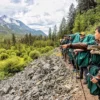
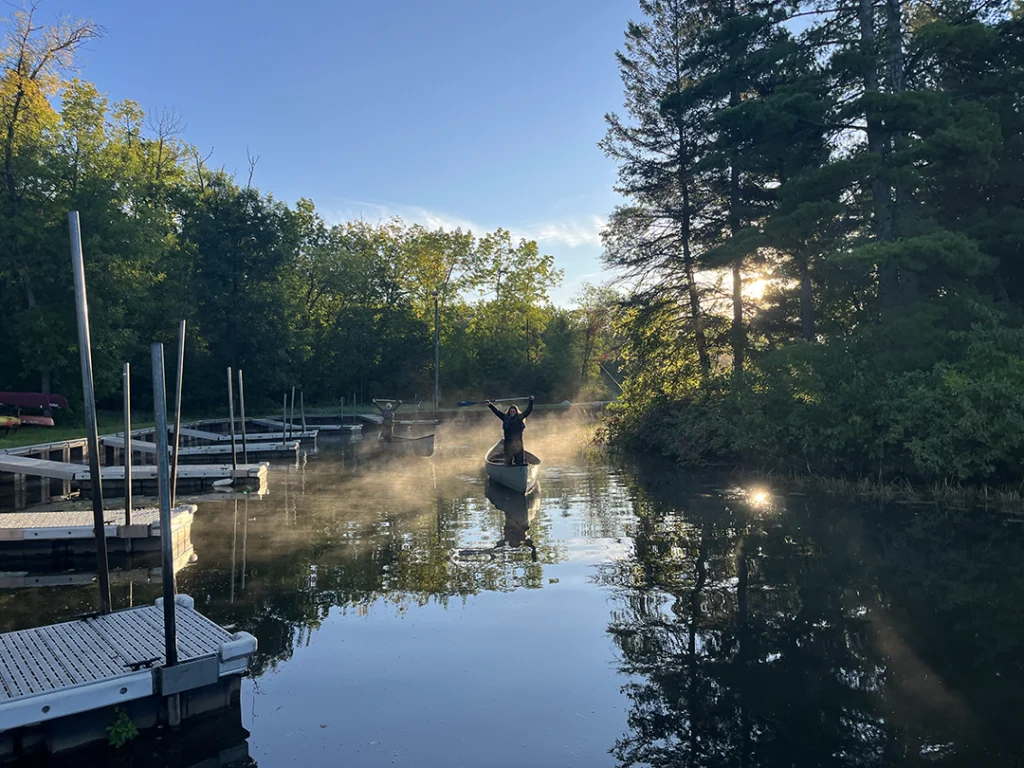
It’s the quiet of a glacial lake at dusk. The slow crunch of boots on a forest trail. The soft glow of a campfire under a wide, star‑filled sky. When you’re out there, you can feel your body relax. Noise recedes. Your place in the world feels small in the best possible way.
That sense of “smallness” is not about being powerless. It’s about perspective.
You start to notice steady things: water moving around rocks, wind through prairie grass, constellations that have been there for thousands of years. The world has been through upheaval before. The earth keeps turning. Life keeps adapting. You’re reminded that you are part of something larger — and that small, deliberate actions still matter.
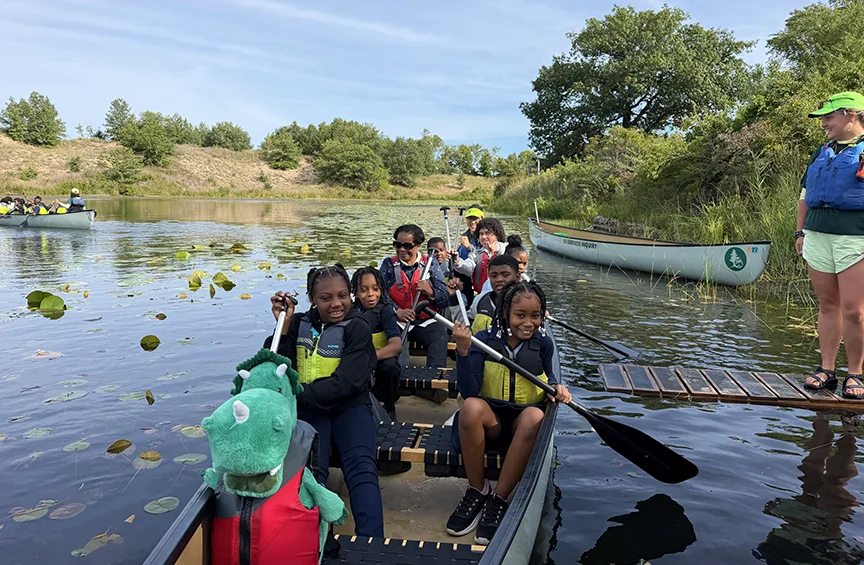
On our Canoemobile trips, we see this shift every day.
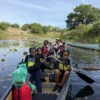
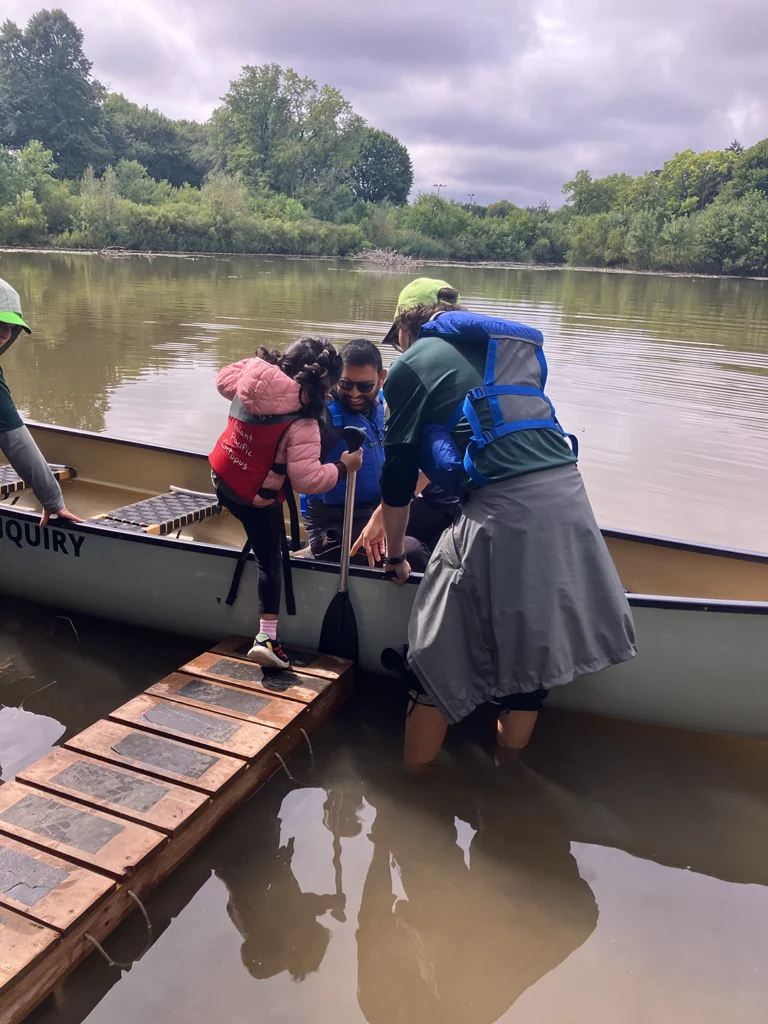
Many students have never been in a canoe. At first they grip the sides tight, nervous about tipping, unsure how to move the boat. But then something changes. They begin to fall into rhythm with the other paddlers. They feel the canoe respond to their strokes. They notice the way a small adjustment in the stern can change the boat’s direction.
They give up a little bit of control to the water and to the group — and in return, they discover a new kind of strength.
That’s the quiet power of time outside: by letting go, young people realize how much they can shape.
That’s the quiet power of time outside: by letting go, young people realize how much they can shape.
“Near Peers” Who Spark Possibility
This fall, our Canoemobile rigs are on the road again, visiting schools and communities across the country. Our Outdoor Leaders — many of them just a few years older than the students they serve — roll into town with canoes, gear, and something even more important: a different way of seeing the world.
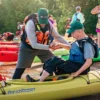
For a middle‑schooler who has mostly known manicured fields and paved streets, watching a 20‑something leader confidently launch a 24-foot canoe onto a river, name birds overhead, and masterfully navigate a smooth approach to a dock is eye‑opening. These “near peers” are not distant experts. They’re relatable role models.
Their presence plants a powerful seed: “If they can do this, maybe I can, too.”
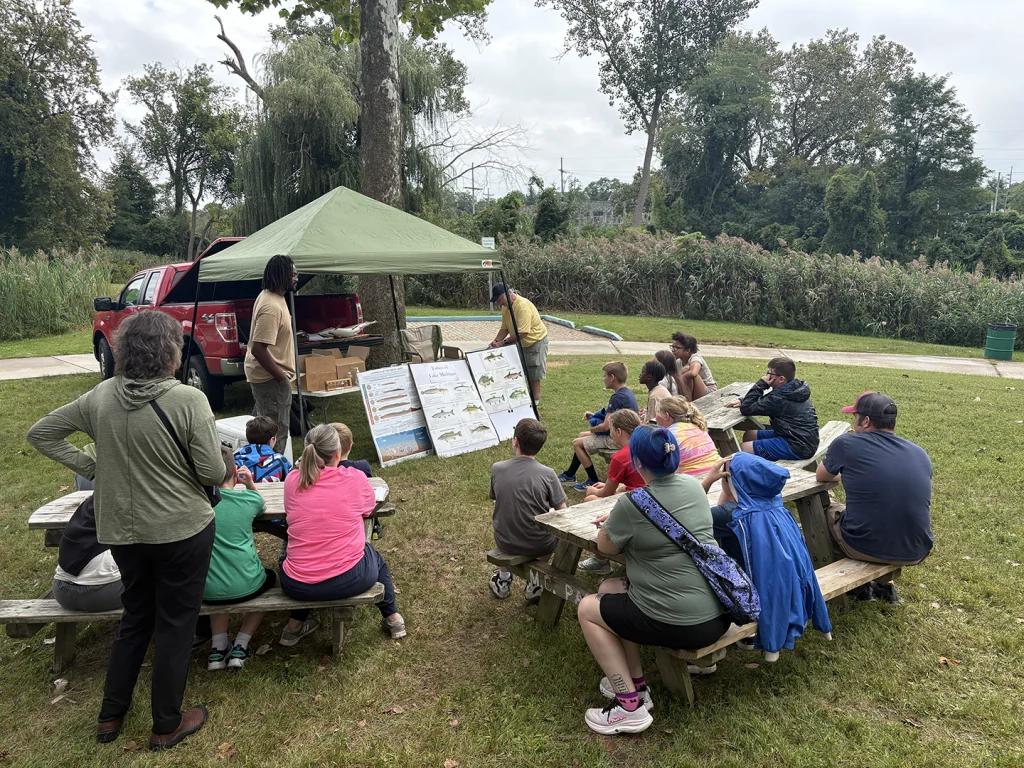
Our leaders show up with a contagious curiosity about ecosystems, species, and local waterways. They show up in schoolyards, on riverbanks, and at urban parks with energy, patience, and genuine care.
They’re not just teaching paddle strokes. They’re modeling courage, joy, and the simple, radical act of stepping into something new.
For youth who have spent most of their lives indoors, these experiences are not a luxury. They are a lifeline — a reset button for minds that are overwhelmed and hearts that are tired.
A Story from Another Uncertain Time
In the spring of 1986, the world felt unsteady in a different way.
The Space Shuttle Challenger had just broken apart in the sky. In a classroom in Bloomington, Minnesota, a 14‑year‑old girl watched the news footage with her classmates, feeling grief and confusion settle in.
But that same spring, she also began following another story — the unassisted dogsled expedition of 8 people, including Minnesotans Will Steger, Paul Schurke, and Ann Bancroft, to the North Pole. Ann was the only woman on the team, and the first to attempt such a journey.
Back home, that teenager tracked their progress, day after day. On television. In the newspaper. In classroom updates. As Ann later wrote in her journal, something was shifting out on the ice and back home: a sense that this was not just an expedition, but an opening.
A few months later, that same student spent two weeks paddling and camping on the Brule River in Wisconsin with several of her classmates — one week canoeing, one week kayaking. That trip, combined with watching Ann’s journey, quietly re‑wrote what she believed was possible for herself.
Decades later, she would go on to become a conservation biologist, and ultimately to lead Minnesota State Parks and Wilderness Inquiry. That shift, from the fear and confusion of a world I didn’t yet understand, to watching Ann do what had never been done before, to having my own pivotal experience in nature, led me on a path that has shaped my entire life.
Recently, at a house gathering hosted by longtime Wilderness Inquiry friends and board leaders Beth and David Finch, Ann Bancroft read from her 1986 expedition journal. Listening to her, it dawned on me that even in uncertain times, one person’s courage in the outdoors can ripple through an entire generation.
That is the kind of possibility Wilderness Inquiry is still sparking — river by river, classroom by classroom, campsite by campsite.
For youth who have spent most of their lives indoors, these experiences are not a luxury. They are a lifeline — a reset button for minds that are overwhelmed and hearts that are tired.
Why Wilderness Inquiry Needs You This Giving Season
As we head into the year‑end giving season — when we are all asked to be generous to the causes we care deeply about — it can be easy to feel like our generosity simply can’t do enough.
We see it differently, and we invite you to see it differently too.
Because when a young person:
- learns to paddle in sync with classmates they’ve never spoken to before,
- feels the solid weight of a paddle in their hands and realizes they can move a boat across real water,
- spends a night outside and discovers they can handle unfamiliar sounds, darkness, and weather,
they aren’t just “having fun.”
They’re practicing the very capacities our communities are desperate for right now:
- Joy, even when the news is heavy.
- Power, even when so much feels out of our control.
- Connection, even when division and isolation feel like the default.
- Resilience, even when the future feels uncertain.
This is the foundation that allows young people to face hard things — in school, at home, in their neighborhoods — without shutting down.
Wilderness Inquiry’s programs reset the balance:
- Within a young person — helping them feel more grounded, confident, and capable.
- Among people — building bridges across different backgrounds and abilities as they travel the same trail or share the same canoe.
- Between communities and the natural world — nurturing a sense of care and responsibility for the places we all depend on.
In a world that can feel pessimistic and scary, our Extended Adventures and Canoemobile Programs are intentional acts of optimism.
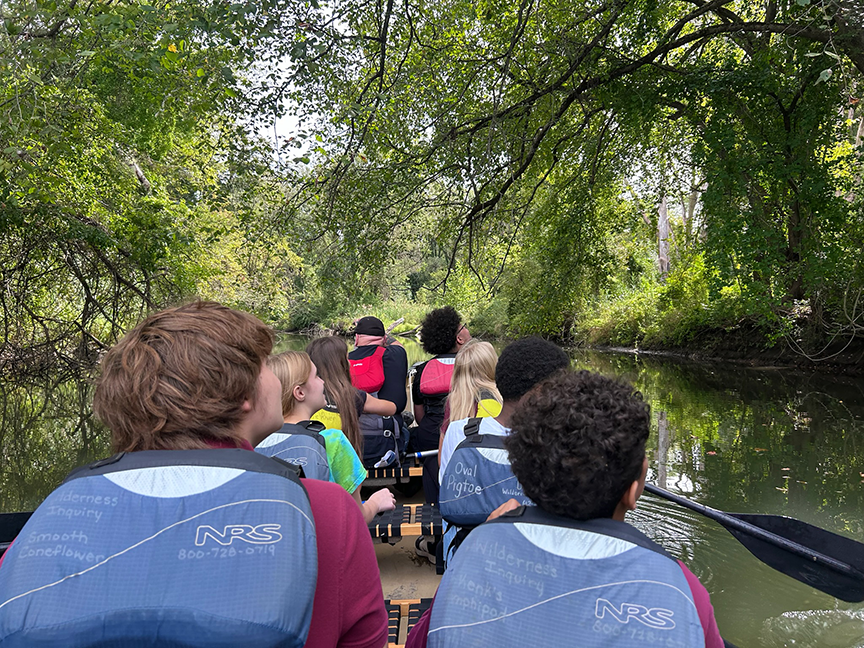
In a world that can feel pessimistic and scary, our Extended Adventures and Canoemobile Programs are intentional acts of optimism.
Your Support Creates Space for Hope and Action
None of this happens by accident.
It takes:
- Vehicles and Canoemobile rigs on the road.
- Trained Outdoor Leaders who can safely guide diverse groups of youth.
- Gear, life jackets, accessible equipment, and adaptive supports so that people of all backgrounds and abilities can participate.
- Partnerships with schools and community organizations that trust us to care for their students.
This life‑changing work is possible only because donors and our program partners choose to invest in it.
In a time when so much feels out of reach, your support can put something very real and very powerful directly into young people’s hands: a paddle, a trail, a lake, a night under the stars — and the belief that they can shape what happens next.
Erika Rivers is Executive Director of Wilderness Inquiry, a fan-girl of Ann Bancroft, and still a believer in Margaret Mead’s famous saying: “Never doubt that a small group of thoughtful, committed citizens can change the world; indeed, it’s the only thing that ever has.”
Photos: Amoreina Espinosa