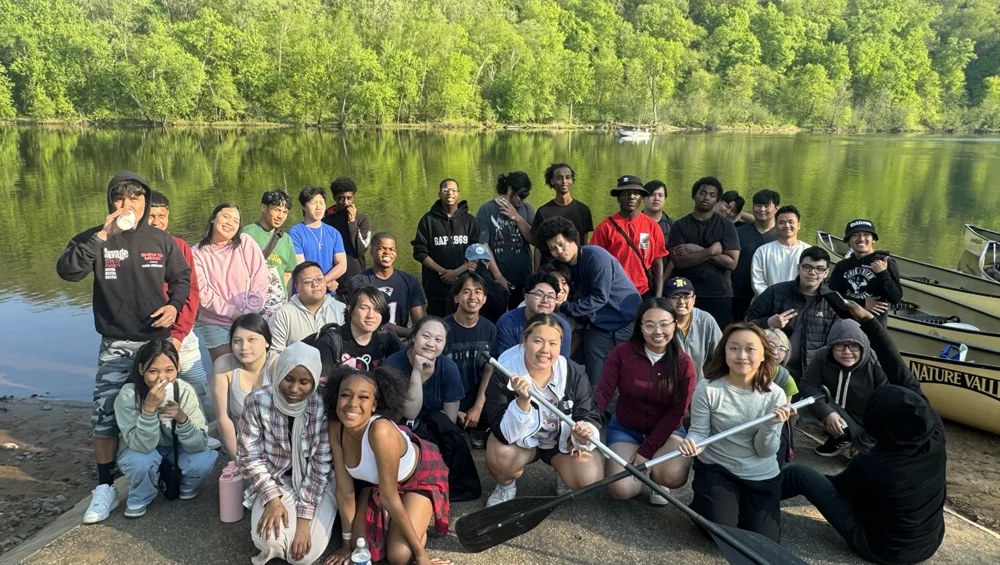
Ten years ago, Harding High School’s Earth Club stepped into canoes with Wilderness Inquiry for the first time. It was an exciting new field trip—a way to get students outside and onto the Mississippi River.
Today, that one-off experience has grown into something much bigger: a true partnership that’s reshaped what outdoor learning looks like for Harding students—especially those who rarely see themselves represented in the outdoors.
From “Trip Provider” to True Partner
Earth Club participants take part in a variety of conservation and environmental activities: visiting national, state, and local parks; learning about local ecosystems; helping restore shorelines in their community; and growing vegetables and herbs for the school cafeteria.
In the beginning, Wilderness Inquiry’s main role was as a service provider of outdoor experiences, organizing the boats, gear, and logistics. Harding showed up with students, and everyone had a good time. Over a decade, that relationship has changed in important ways.
Today, Wilderness Inquiry is co-creating culturally relevant day and overnight trips that reflect who Harding’s students are and what they care about. That looks like:
Food that feels like home. Meals are planned with Harding’s student population in mind, with options that are more appealing and appropriate for students of Asian and African descent.
Activities that match students’ interests. When staff noticed how many students loved fishing, Wilderness Inquiry built in multiple fishing opportunities.
Leaders who “get” Harding students. Over time, Wilderness Inquiry Outdoor Leaders who work especially well with Harding students have been identified—and requested again for future trips. Students see familiar faces on the water and on the trail, which builds trust and comfort.
The biggest shift? Wilderness Inquiry listens, adapts, and designs with Harding—not just for Harding. That’s what has turned a program into a partnership.
In the early years, Earth Club was smaller, and the partnership was just getting started. Now, Earth Club has grown significantly in size. Students hear about the trips from friends, see photos, and want in. The Harding community knows what Earth Club is. Staff understand the kind of experiences the club offers and actively refer students they know would benefit. Teachers want to be part of it, too; they’re eager to join in on events like the Great River Race and other Wilderness Inquiry experiences.
What started as “a cool trip” has become part of Harding’s identity. Students see Earth Club as one of the school’s most active, exciting communities—a place where big experiences are possible.
Why This Partnership Has Lasted When So Many Don’t
Plenty of Harding school programs started strong and quietly faded by year two or three. This one hasn’t. One reason is that Wilderness Inquiry keeps bringing big, exciting experiences. Every year, students can count on something that feels extraordinary: paddling stretches of the Mississippi, camping under the stars, exploring wild places many have never seen before.
In addition, Earth Club leaders are deeply invested. The two founding facilitators, Sinthang Has and Allison Zaccardi, pour time and energy into making Earth Club “truly extraordinary.” They:
- Recruit students who will thrive in these experiences
- Co-design unique trips and events with Wilderness Inquiry staff
- Keep the bar high for what the club offers
The experiences fuel the effort. According to Has, “If Wilderness Inquiry weren’t providing such powerful outdoor experiences, Earth Club simply wouldn’t be the same. The club leaders wouldn’t have the same motivation to put in the extra hours.”
What keeps him coming back? The “cool things” they get to do with students. The chance to provide extraordinary experiences that students would almost certainly never have otherwise. The deeper relationships that form in the outdoors—connections that don’t usually emerge within classroom walls.
“As an older teacher with young kids and limited free time, I simply couldn’t justify pouring this much effort into a club without the kind of experiences Wilderness Inquiry helps make possible,” he said. “The club would likely shrink; it would no longer be one of Harding’s largest and most active student groups.”
At that point, as he puts it, “Earth Club would not be Earth Club.”
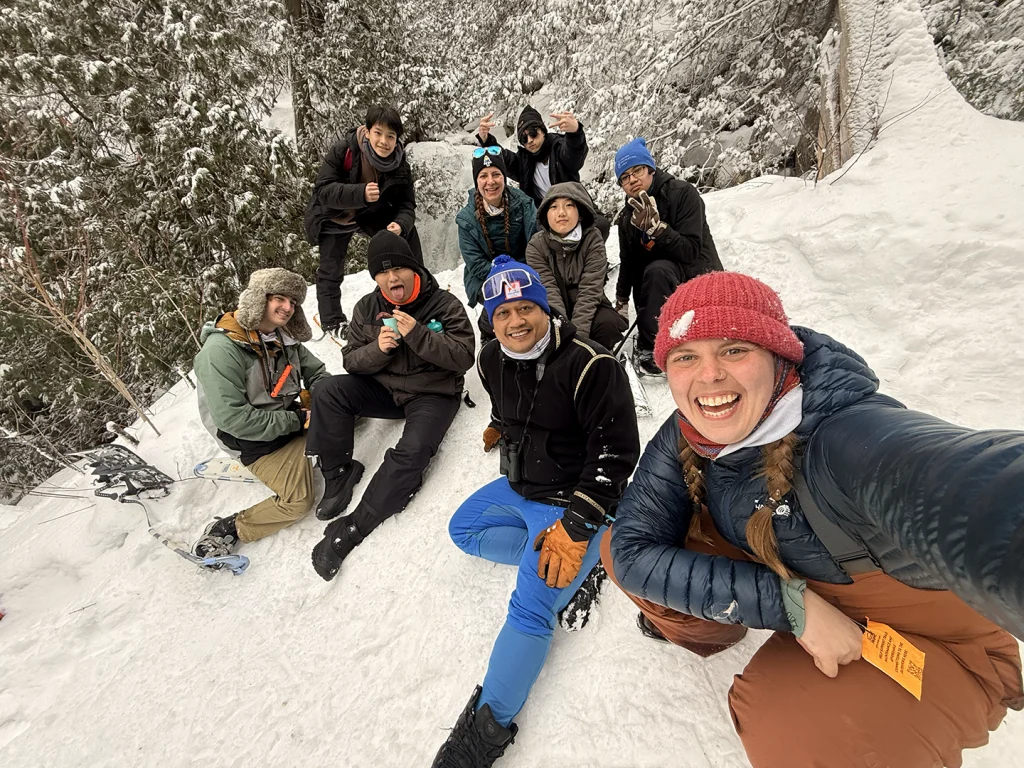
On the Water This Fall: New Paddlers, New Perspectives
During the most recent fall paddle on the Mississippi Gorge, the boats were filled with a mix of students:
- Seasoned Earth Club “veterans” who’ve joined multiple Wilderness Inquiry trips
- Many first-timers—students who had never experienced a Wilderness Inquiry program or even been in a canoe
- A large number of English learners, many born outside the U.S., for whom this kind of outing was completely new
What they shared on the water was something simple and profound: awe. The beauty of the Mississippi Gorge in autumn is what everyone keeps talking about—the colors, the quiet, the cliffs and trees. Many students had never visited that part of the river and were surprised by how stunning it was. For some, the day marked a visible before-and-after.
One student, Maritza Sotelo Barrientos, was genuinely nervous about signing up. She’d never been in any kind of boat and worried she wouldn’t know what to do. On the water, that anxiety melted away. She discovered she loved being in the canoe—especially sharing it with friends. The trip felt stress-free, not scary. The scenery, the calm, and the shared experience turned something she’d feared into something she now wants more of.
By the time the group reached the takeout, Maritza didn’t just feel different about canoes. She felt different about herself and what she was capable of.
“By the time the group reached the takeout, Maritza didn’t just feel different about canoes. She felt different about herself and what she was capable of.”
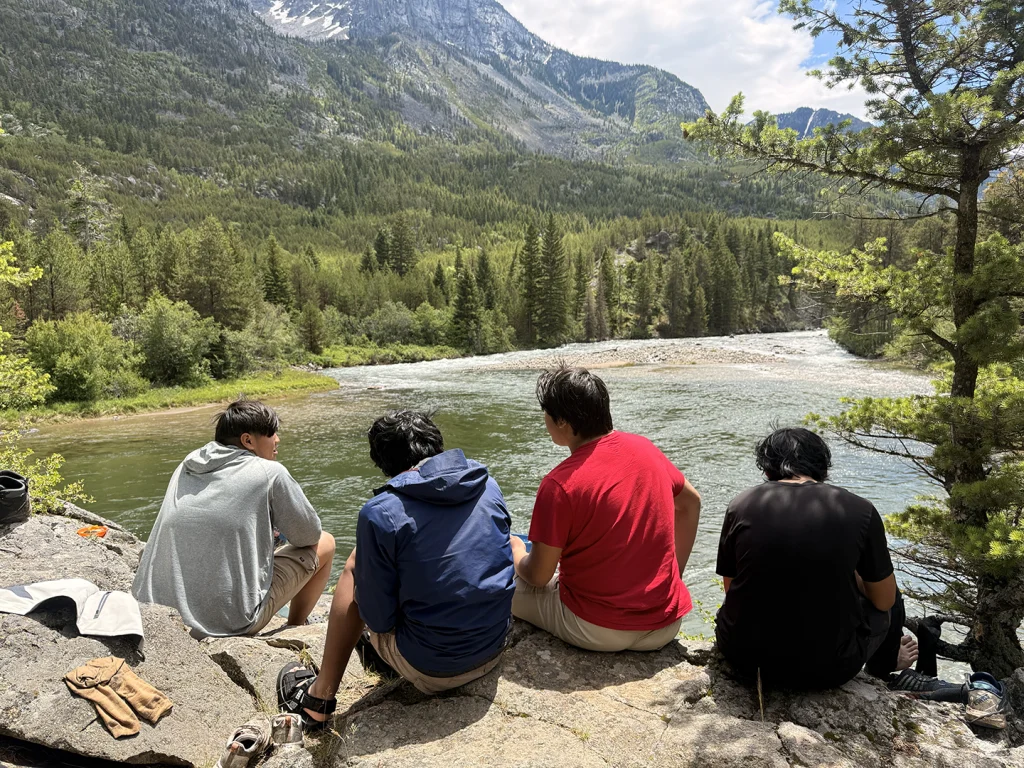
Learning the River by Living on It
The fall paddle isn’t just an isolated “fun day.” It connects directly to what Harding students study throughout the year. This year, 10th grade biology classes are focused on the Mississippi River ecosystem. The paddle brings that curriculum to life: Students see the Mississippi Gorge as more than a line on a map—they move through it, feel its scale, and observe its habitats.
Because Earth Club also partners with Friends of the Mississippi River and the Ramsey-Washington Metro Watershed District, students already understand how pollution enters the river—and how natural features like the Gorge help filter and mitigate that impact.
On many past paddles with Wilderness Inquiry, students have gone even deeper into the science:
- Collecting water samples to analyze back at school
- Searching for macroinvertebrates (the tiny creatures that tell us a lot about water quality)
- Making real-world observations that connect directly to classroom learning
Time constraints meant the most recent paddle focused more on immersion than data collection, but the model is clear: Earth Club doesn’t just talk about environmental science. It practices it, right on the water.
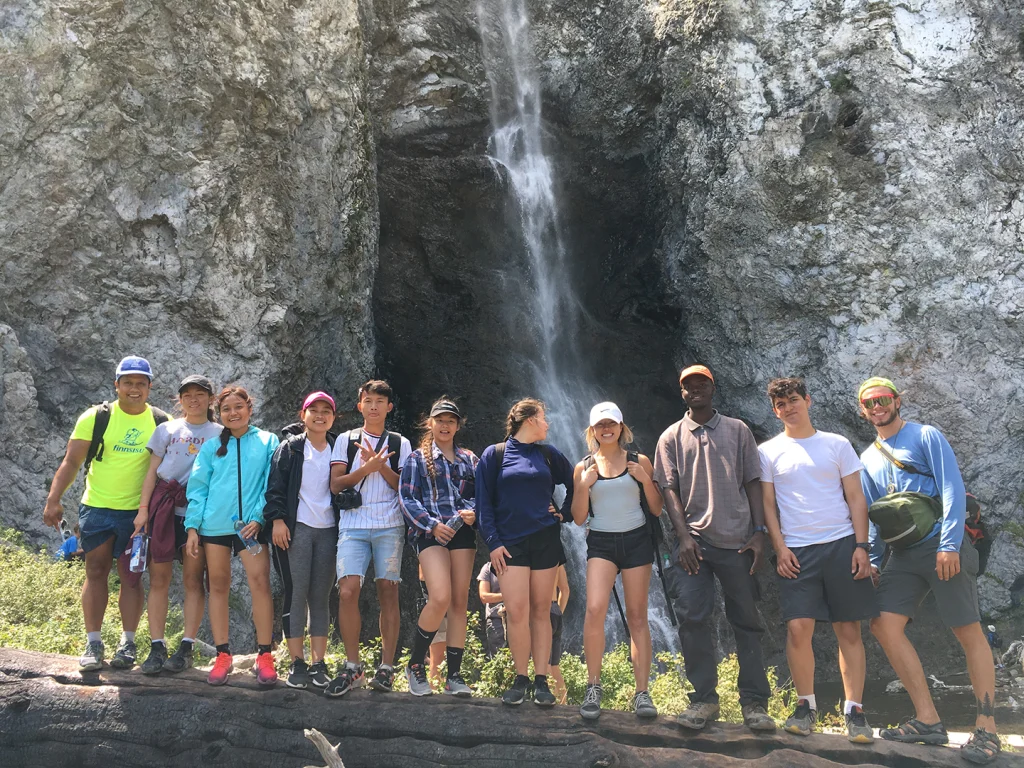
“If Wilderness Inquiry weren’t providing such powerful outdoor experiences, Earth Club simply wouldn’t be the same.”
Looking Ahead to Year 11
Many environmental nonprofits are navigating a difficult moment right now, with budgets tightening and programs shrinking. Against that backdrop, Harding’s Earth Club is grateful: Wilderness Inquiry will continue to provide the same level of programming in the coming year as it has in recent years.
On deck for Year 11:
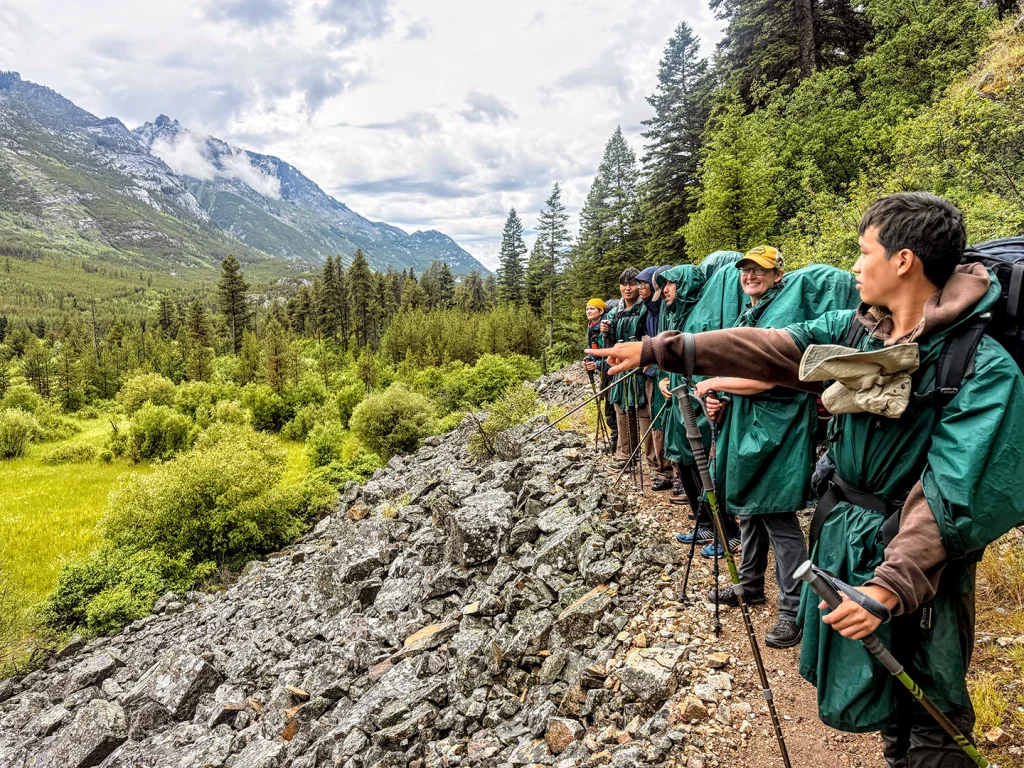
- Winter camping in the Boundary Waters
- Tandem canoe training so more students can confidently paddle and lead
- Overnight camping trips around the Twin Cities that feel far from city life but are still close to home
- Canoe camping in the Boundary Waters, deepening students’ skills and comfort in wild spaces
These aren’t once-in-a-lifetime photos on a wall. They’re a steady rhythm of experiences that shape how Harding students see the outdoors—and see themselves.
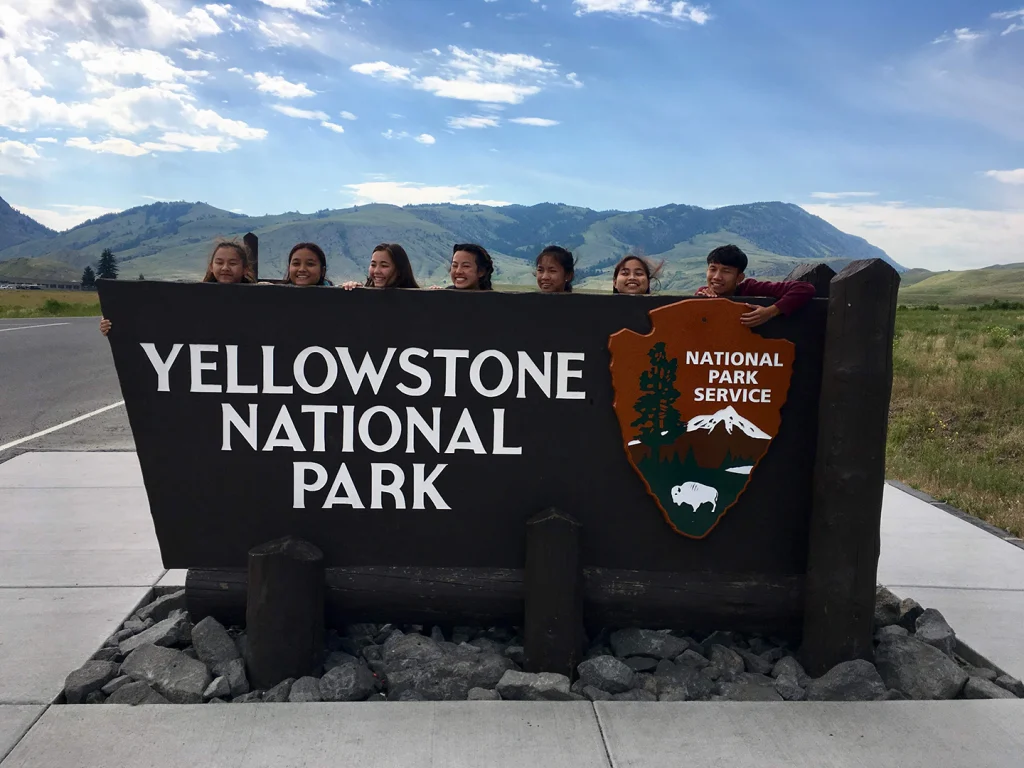
A Model for What School Partnerships Can Be
After ten years, the Harding–Wilderness Inquiry partnership is more than a line item on a calendar. It’s:
- A pipeline of inclusive, culturally relevant outdoor experiences
- A bridge between classroom learning and real ecosystems
- A space where students who are new to the U.S., new to English, or new to the outdoors can feel safe, seen, and capable
- A reason for teachers to keep showing up with energy, even when their plates are full
“I still keep in touch with students who joined Wilderness Inquiry trips a decade ago,” Has said. “Some have become lifelong friends. Those bonds were forged not in lectures or labs, but in canoes, on trails, and around campfires.”
When a school and an outdoor organization commit to learning from each other—and designing for the students in front of them—programs don’t have to fizzle out after a couple of years. They can deepen, expand, and change lives. One nervous student, one fall paddle, one decade-long partnership at a time.
This partnership is supported in part by funding from the Minnesota Legislative-Citizen Commission on Minnesota Resources (LCCMR), part of Wilderness Inquiry’s broader effort to make outdoor and place-based learning accessible to more schools and classrooms.
Photos: Sinthang Has