April is Autism Awareness Month—a time when many families, educators, and community partners ask: “Where can neurodiverse youth feel truly welcome, supported, and free to be themselves?”
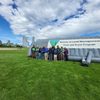
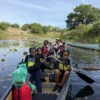
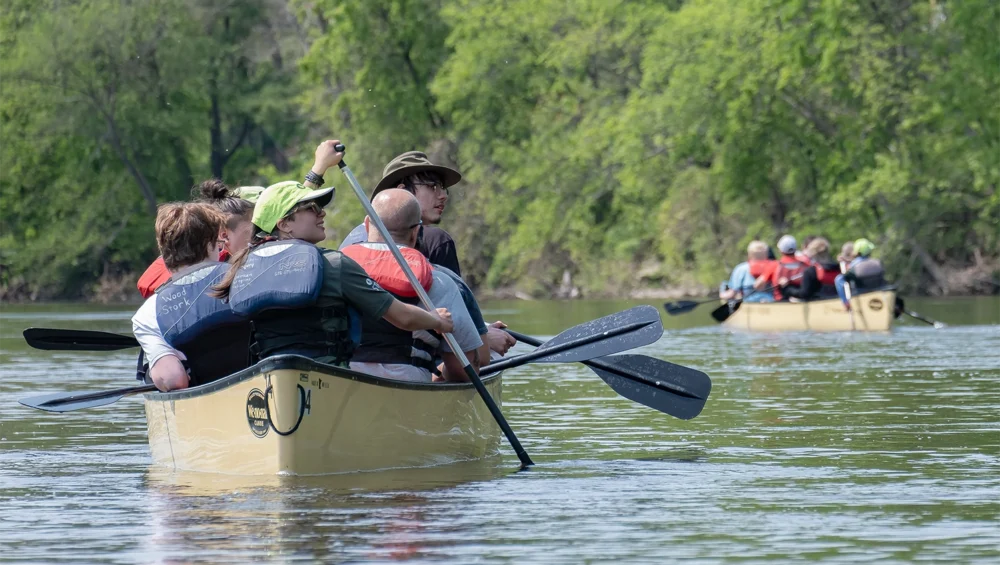
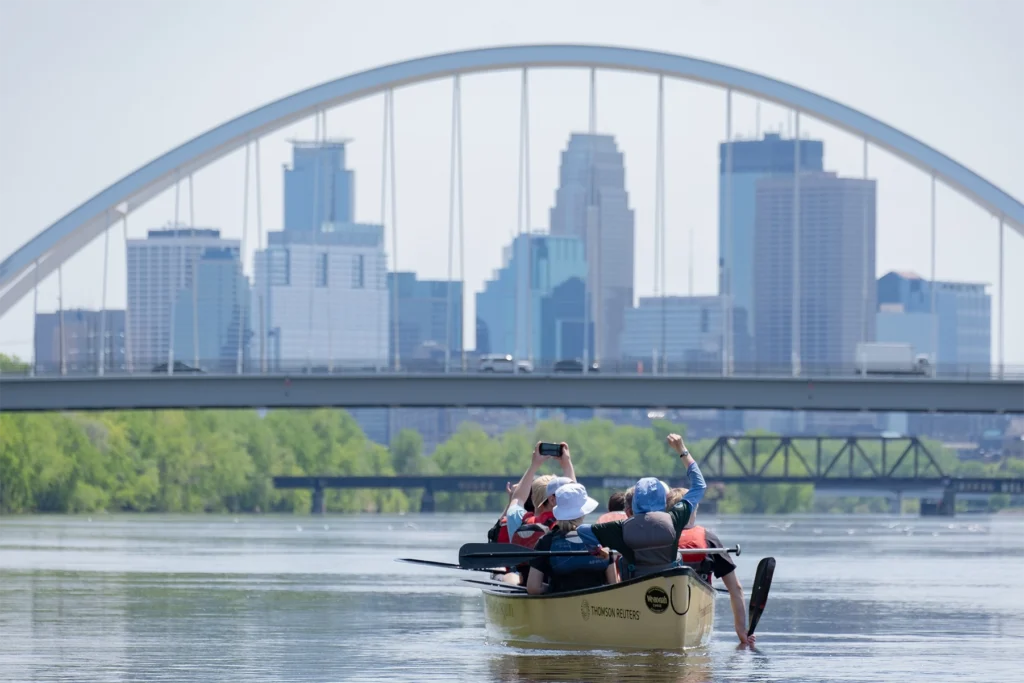
For Wilderness Inquiry, our clearest answer is on the water with Canoemobile—a traveling fleet of 10-person North Canoes that brings on‑water experiences directly to schools and communities across the country.
For neurodiverse youth who may struggle with unfamiliar environments, loud crowds, or long travel days, experiencing the calm of nature right in their neighborhood can make a world of difference.
What Makes Canoemobile Different?
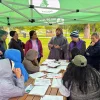
Canoemobile isn’t just a fun day on the water. It’s intentionally designed so that young people with a wide range of abilities, communication styles, and sensory needs can participate together, not just watch from the sidelines. Canoemobile’s on-water experience is paired with land-based activities to deepen learning and connection with their peers, community, and nature.
A few things that matter most for families raising youth who are autistic or neurodivergent:
Mixed‑ability participation is our default.
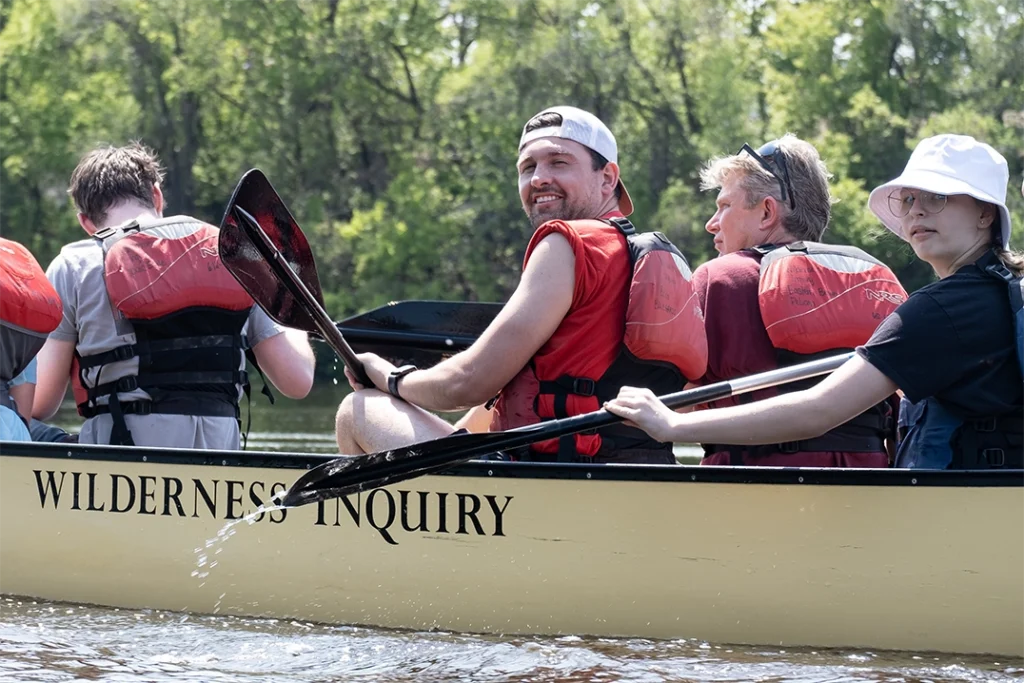
Wilderness Inquiry designs programs so people of all ages and abilities can actively participate together. Outdoor Leaders (guides) support a broad range of needs and measure success in small, shared moments: a hesitant student trying a paddle stroke or a quiet teen steadying the boat for a friend.
A realistic, supported path into the outdoors.
Many teachers and support staff want their students outside, but can feel overwhelmed with the planning: safety concerns, sensory overload, logistics, and accessibility questions. Wilderness Inquiry specializes in handling complexity—routes, safety, equipment, and inclusion—so educators and families don’t have to figure it out on their own.
Predictable structure with room for flexibility.
Canoemobile days follow a simple rhythm: arrive, gather as a group, learn key skills and safety guidelines, paddle together, and debrief on shore. Outdoor Leaders explain what’s coming next in plain language, invite questions, and even use visible schedules for students who rely on routine.
Multiple ways to engage and process.
Students express enthusiasm in a variety of ways. Some will pepper our staff with questions about water quality, fish species, or local history. Others will sit quietly, taking it all in. Canoemobile intentionally blends paddling with team-building games, nature hikes, water quality testing, or setting up tents—so students can connect cognitively, socially, or through simple sensory experiences (the glide following a paddle stroke, the sound of the birds).
A team to share the emotional care.
For educators, paraprofessionals, and parents supporting youth with autism, the emotional and logistical weight of any outing can feel daunting. Wilderness Inquiry staff create a space where adults can be present with youth to form new bonds and experiences together, without having to worry about the logistics or safety.
A Day on the Water With Lionsgate Youth
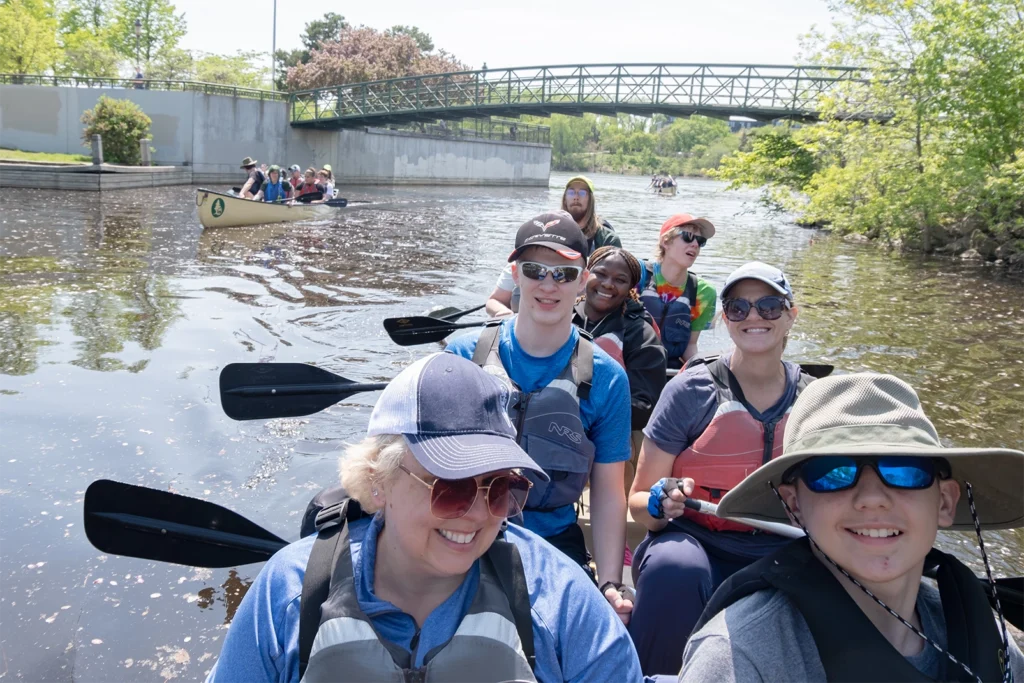
For two years, Lionsgate Academy has partnered with Wilderness Inquiry to bring Canoemobile to their students. Physical education teacher Dan Freeman says students got out on the water, learned canoeing basics, and worked together as a team—many for the first time.
“What stood out most was how intentional the staff were about making sure every student could participate, regardless of ability,” Dan said. “Wilderness Inquiry adapted equipment, provided support, and created an environment where all students felt safe and included. You could see confidence build throughout the experience from initial hesitation to genuine excitement.”
This experience opened Dan’s eyes to how small adjustments and the right support can make a huge difference. It also made him think more intentionally about how he can create inclusive experiences not just in the gym, but beyond it.
“What stood out most was how intentional the staff were about making sure every student could participate, regardless of ability,”
dan freeman
Why Autism Awareness Month Matters in the Outdoors
Autism Awareness Month is all about expanding what we imagine is possible for people who are neurodivergent—in school, at work, and in the places we play. For Wilderness Inquiry, that work has three layers:
Representation: Many outdoor images and programs still center a narrow idea of who “belongs” outside. Canoemobile helps rewrite that story by ensuring that every kid, no matter what their story is, has an opportunity to get outdoors. We work hard to remove barriers that exclude people—by providing adaptive equipment, trained guides, and by bringing our programs to the places where people already live and learn.
Access: As a nonprofit, Wilderness Inquiry uses philanthropic support to broaden access for under‑resourced youth and people experiencing disability. When partners bring Canoemobile to their community, they’re not just creating one good day; they’re helping build a more inclusive outdoor culture over time.
Identity and confidence: A supported experience in the outdoors can help a young person who feels out of place experience themselves as capable, trusted, and part of a team. Over time, those experiences add up.
How Schools, Employers, and Community Partners Can Get Involved
Canoemobile is designed to be flexible enough for many different kinds of partners:
- School districts and special education teams looking for inclusive field experiences.
- Disability service organizations and groups serving people who are neurodivergent.
- City agencies and community groups working toward more inclusive programming in local parks.
If you’re interested in exploring a Canoemobile day or series with your school, organization, or company, Wilderness Inquiry can help you:
- Choose an appropriate location and format.
- Plan for group composition, access needs, and support.
- Navigate funding options, including sponsorships and philanthropy.
Bring Canoemobile to your community.
Programs like this create lasting memories and can truly change how students view themselves and what they’re capable of.”
Dan Freeman
Opportunity Beyond April
Autism Awareness Month is one moment on the calendar, but for youth with autism and their families, the need for spaces of true belonging is year‑round.
Programs like Canoemobile are one way to meet that need in a real, tactile way: paddles in hands, life jackets zipped, immersed in nature, surrounded by classmates, colleagues, and our staff, who are there to make sure no one is left behind.
“I would absolutely recommend this program to other schools and communities,” Dan shared. “It’s not just about getting outside, it’s about building confidence, teamwork, and a sense of belonging. Programs like this create lasting memories and can truly change how students view themselves and what they’re capable of.”
If you’d like to learn more about how Wilderness Inquiry partners with schools, disability service organizations, and companies to open the outdoors for all, start a conversation today.